
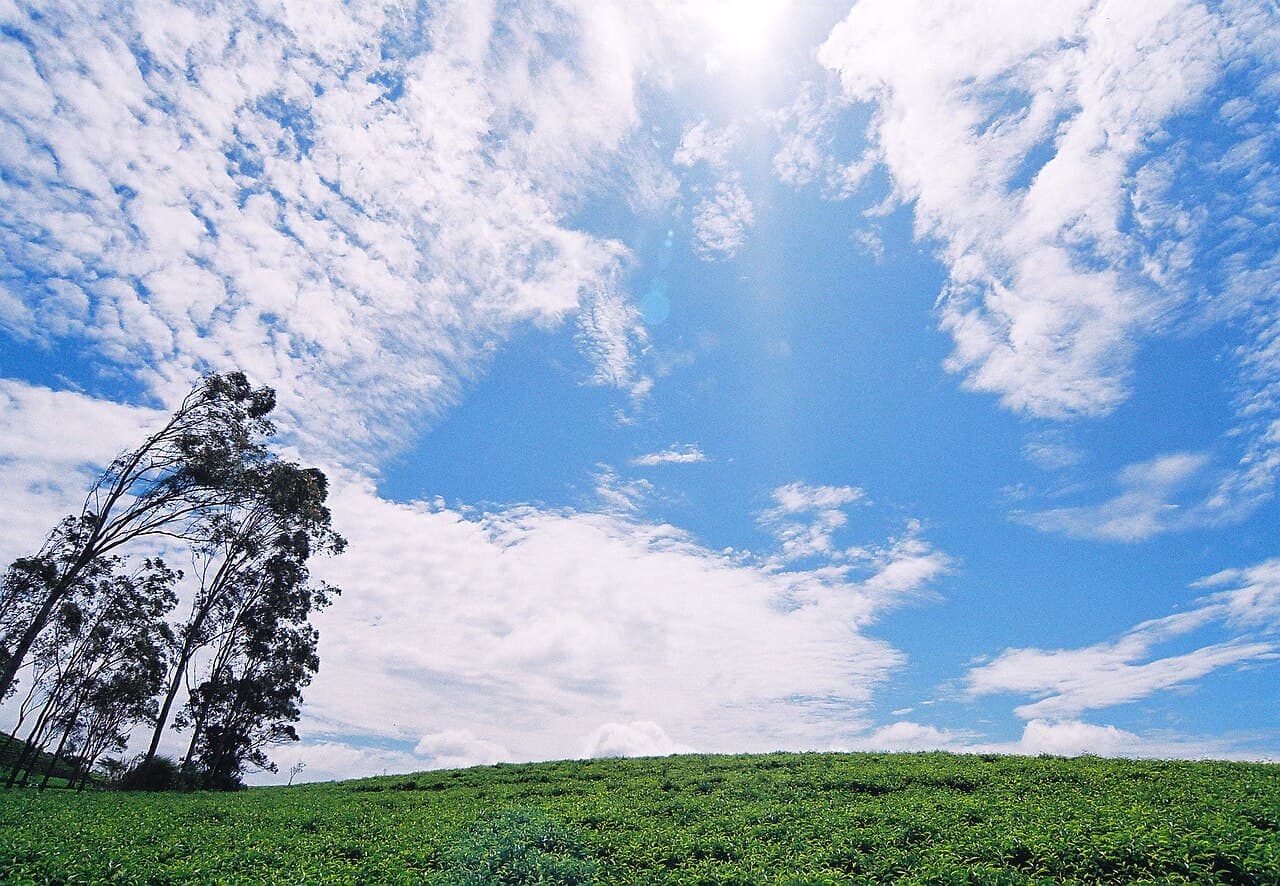
Da Lat has two distinct seasons: the dry season around November – April and the rainy season around May – October. Many people avoid the rains, but this is when Da Lat is greenest, quietest and easiest to book.
What is the rain like?
On most rainy-season days the mornings are sunny and the rain comes in the afternoon, sometimes for just an hour or two. Long all-day rains are more common at the peak of the season, around August – September.
Pros
- Fewer crowds: apart from public holidays, hotels and cafés are quieter and rooms are cheaper.
- Lush scenery: tea hills, pine forests and waterfalls are at their fullest and greenest.
- Better cloud hunting: after night rain, early mornings often bring seas of clouds over the hills. See our cloud-hunting tour.
- Wild sunflowers at the end: from around late October, yellow wild sunflowers start blooming along the roads.
Cons
- Afternoon plans can get interrupted.
- Slippery roads and fog on the passes in the early morning and evening.
- After long heavy rain, some pass sections may be temporarily restricted.
Tips
- Do outdoor sights in the morning; save cafés, markets and museums for the afternoon.
- Pack a raincoat, non-slip shoes and a jacket — it gets cold when it rains.
- Avoid mountain passes at night. Leave early so you arrive before dark.
- Take a private car with a driver who knows the passes: they check conditions before leaving, choose the safest road and stop when needed. See prices for Saigon – Da Lat, Mui Ne – Da Lat or Nha Trang – Da Lat.
Verdict
If you like peace and quiet, green landscapes and don't mind an afternoon shower, Da Lat in the rainy season is well worth it. Just plan your sightseeing for the mornings and travel safely.
Cover photo: Hmoong · CC BY 2.0, Wikimedia Commons
